

When Hope Stops to Help
by Sr. Danielle Victoria
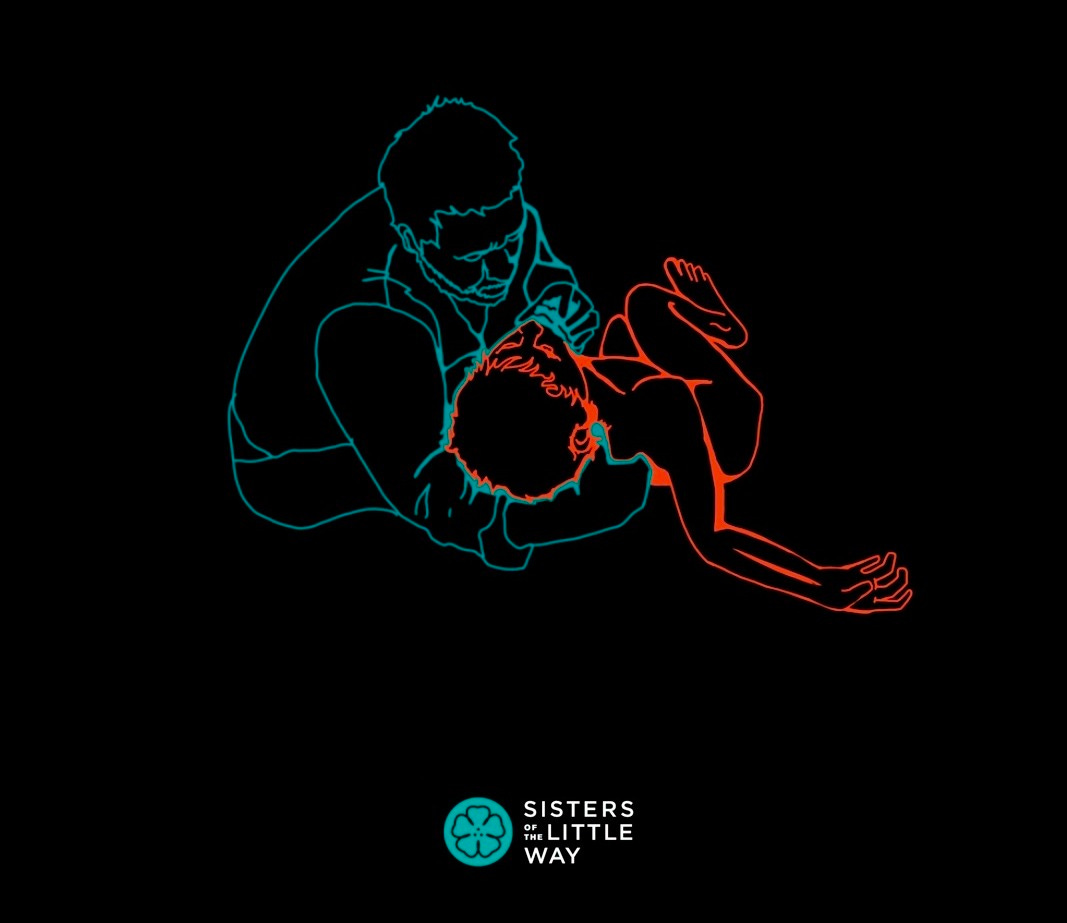
The Good Samaritan teaches us that hope is not a passive feeling but a gift given by God and lived through a conscious act of the will. It is a way of living that calls us to embrace our own vulnerability so that our response to others’ needs becomes a participation in Christ’s redemption.
The Good Samaritan sees the wounded man and is moved with compassion. To truly see another is to recognize when their vulnerability is being exposed. In contrast to the priest and the Levite, the Samaritan shows us that responsibility begins with this capacity to recognize need—and to respond in a way that safeguards the dignity of the other. His action renders justice to his neighbor. In this sense, hope is not merely a feeling but an act of “suffering with.” In a world that often turns away from pain, the Samaritan reveals that true hope is found in the willingness to enter into another’s vulnerability.
We are each called to be Good Samaritans. This means not only proclaiming the Gospel but also drawing near to those who are hurting, standing in the breach, remaining present, listening to their stories, and accompanying them with the hope of Christ. When we do this, we help others discover that vulnerability is not weakness but a sacred place where God’s redeeming and reparative grace can enter—not only for them, but for the whole Church.
Whose vulnerability am I tempted to pass by?
In times such as these, it feels especially necessary to return to this parable and to ask ourselves: does my own example “reveal in all clarity the joy and the demands of the way of Christ?” (CCC, 1697)
I love this. Short and convicting. Beautifully stated.
When reading this I think of the good people of Minneapolis.